The SOHS collects, preserves, and shares a variety of artifacts to generate an appreciation of regional history for present and future generations. An important part of this effort, and one that the SFF has been honored to help with, has been the digitization and preservation of over 6,000 glass plate negatives made by pioneer Western U.S. photographer Peter Britt from the mid-1850’s through the end of the 19th century. This unique collection, which will be publicly available and researchable, will provide a primary source look into what life was like for ordinary citizens in Southern Oregon during the early years of its pioneer history.
Read MoreThis organization, located in the greater Los Angeles area, is dedicated to educating about the connection between agriculture, health, and the environment. One way they are doing this is through the development of grow gardens at a variety of inner-city schools. To this end, funding from the SFF has been used in the building of a series of raised garden beds that are being used to help teach a variety of organic gardening techniques to students of all ages.
Read MoreThe Blue Zones Project is part of a multi-sector partnership in Klamath Falls, Oregon, committed to the promotion of healthy communities. The Trail Signage Project, which SFF helped to fund, is aimed at increasing trail utilization through signage and education. The completed signs, installed as part of the Lake Ewauna Trial system, are attractive, easy to understand, and certain to be helpful towards the goal of helping people be more active outdoors in a safe and enjoyable manner.
Read MoreThe Algonquin Garden Club requested funds to restore a historic downtown natural spring in the downtown area of Algonquin. The fountain area includes signage and photographs explaining the significance of this freshwater source for wildlife and local residents during the 1700 and 1800’s and its significance to the town’s history.
Read MoreThe Gresham Historical Society preserves and shares the Gresham Oregon community’s past to enrich its present and future. The Schwemm Family Foundation provided funds to the Society to enable them to digitize and make available online to the general public over 2,500 items of historical significance contained in their collection.
Read MoreThe Coastal Watershed Council's River Health Day Program brings together volunteers from the local community to plant and maintain native seedlings along the banks of the San Lorenzo River to increase biodiversity and revitalize the river ecosystem. The Schwemm Family Foundation partnered with the Coastal Watershed Council to bring out over 400 volunteers who planted over 300 hundred different native plants in 21 separate seed plots along the river.
Read MoreThe Wetland Conservancy’s mission is to conserve and steward Oregon’s wetlands in partnership with communities. Funds provided by the Schwemm Family Foundation were used to organize multiple restoration workdays at the Minthorn and Hearthwood wetlands where community volunteers conducted scientific surveys and performed wetland restoration and cleanup.
Read More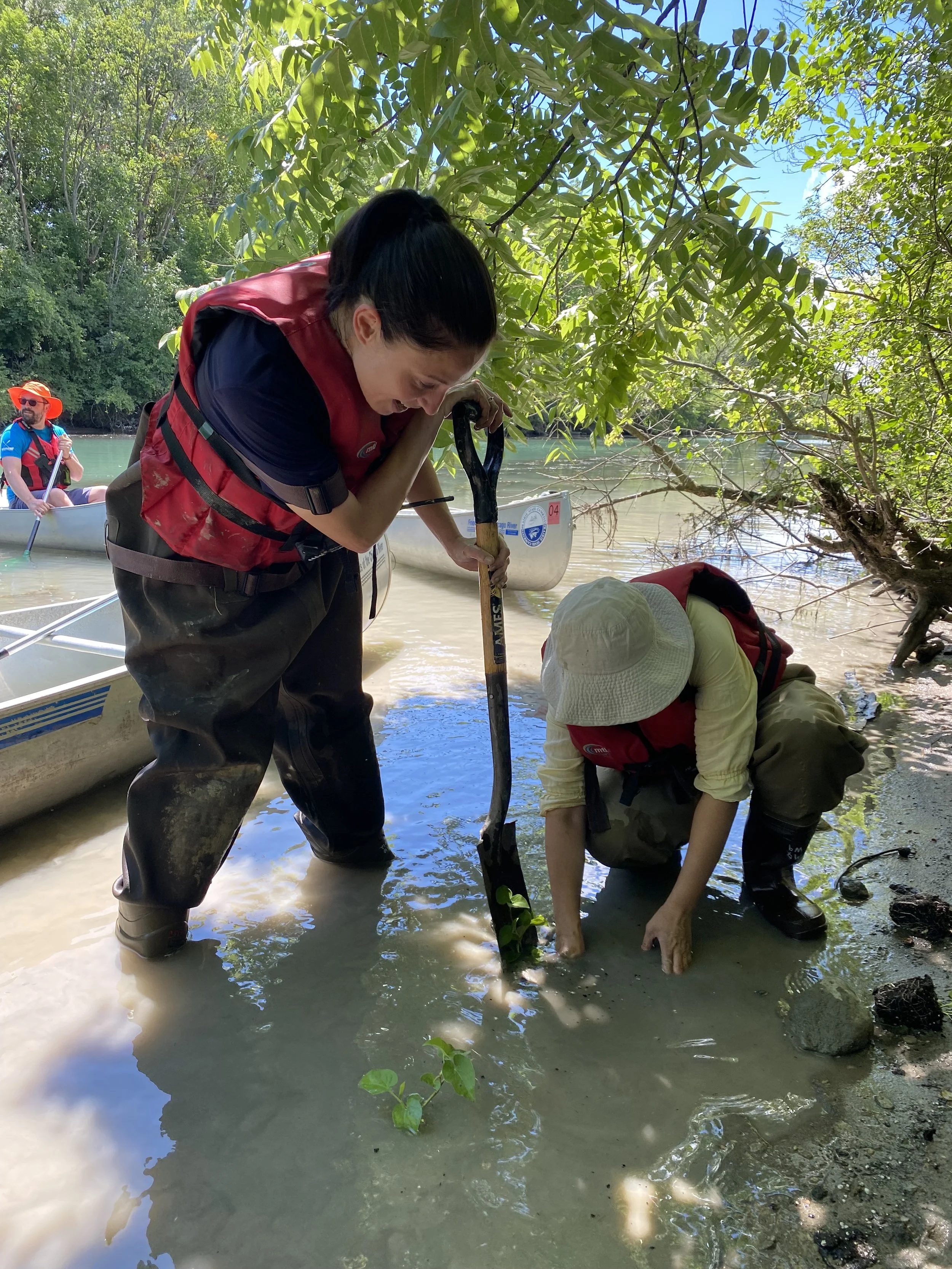
Friends of the Chicago River's grantee project aims to enhance the ecological health of the Little Calumet River and North Shore Channel through native plant installations during their Paddle and Plants events, addressing the lack of native vegetation in these areas. This initiative supports local ecosystems, mitigates flooding impacts, and promotes community engagement in environmental stewardship, with funding from the Schwemm Family Foundation facilitating plant purchases and essential supplies.
Read More
Focused on enhancing resilient ecosystems along the central coast of California, the Wild Farmlands Foundation is dedicated to the regeneration of the landscape, while at the same time, supporting the area’s current and next generation of farmers and ranchers.
Read More
Wolf Creek, located in the Sierra Nevada foothills of California, has been a working alliance for over 20 years with the dual goals of preserving and protecting the local watershed while increasing public access to the creek and adjacent hillsides. As part of this effort, and with help from a SFF grant, Wolf Creek recently created a series of walking and biking tours within the watershed.
Read More
White Buffalo (WB), located near Santa Barbara California, is committed to land stewardship practices that support biodiversity, water and soil resources, and human health. WB has recently partnered with the Santa Ynez Band of Chumash Indians in the planning and implementation of a series of trainings focused on the building of resilient gardens. With the help of a SFF grant, these gardens are today being managed by members of the Ynez Band to grow a variety of food, fiber, and medicinal and ceremonial plants.
Read More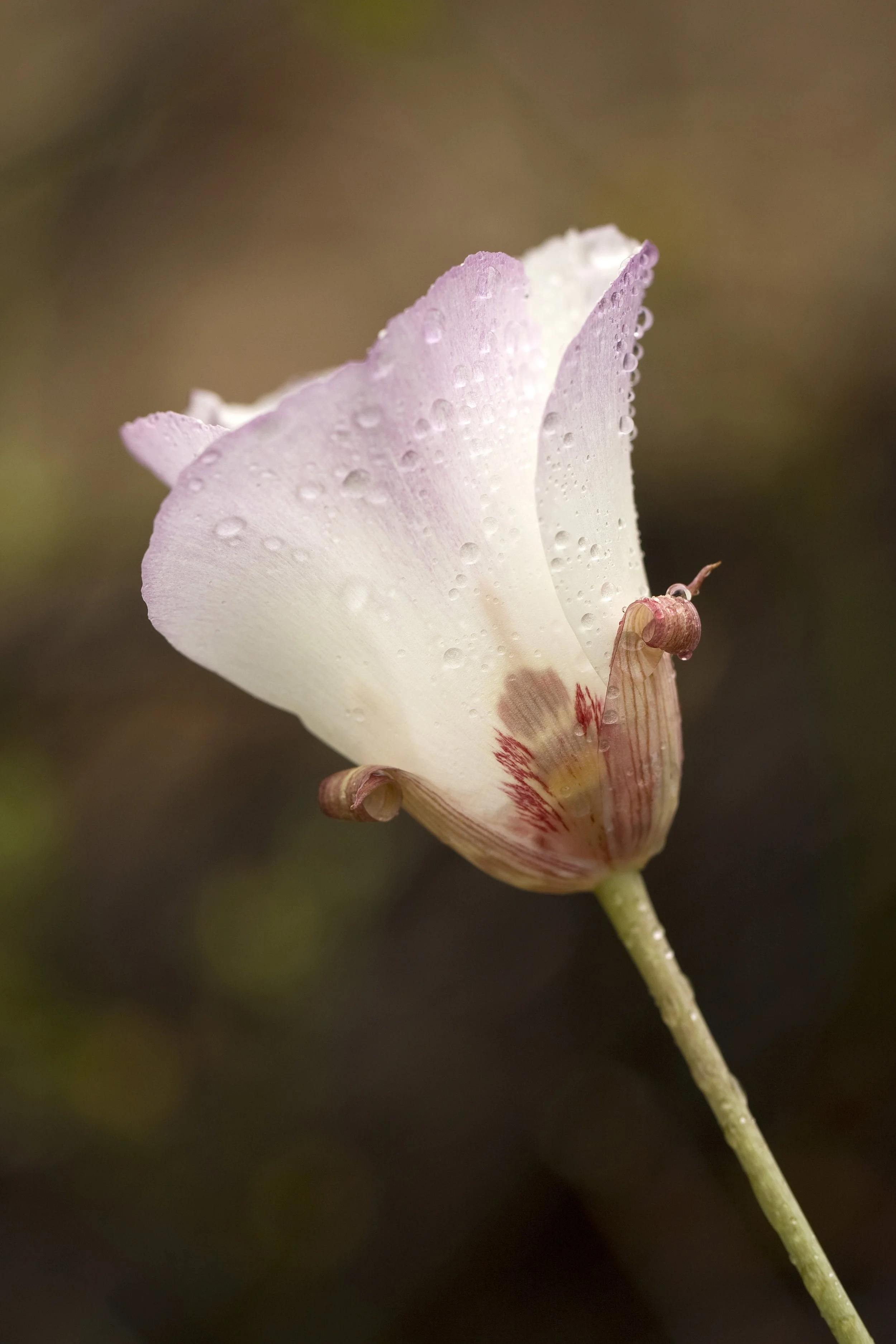
The Rare Plants Inventory - RPI - is a database of information regarding all rare and endangered plants in California. To assist planners, consultants and resource managers, the SFF funded an effort to include all existing threat data for each species in the RPI. The app to use the RPI is free and available to everyone, allowing all users to have access to common information regarding current threats to native plant species and populations. CNPS Inventory of Rare Plants | California Native Plant Society.
Read More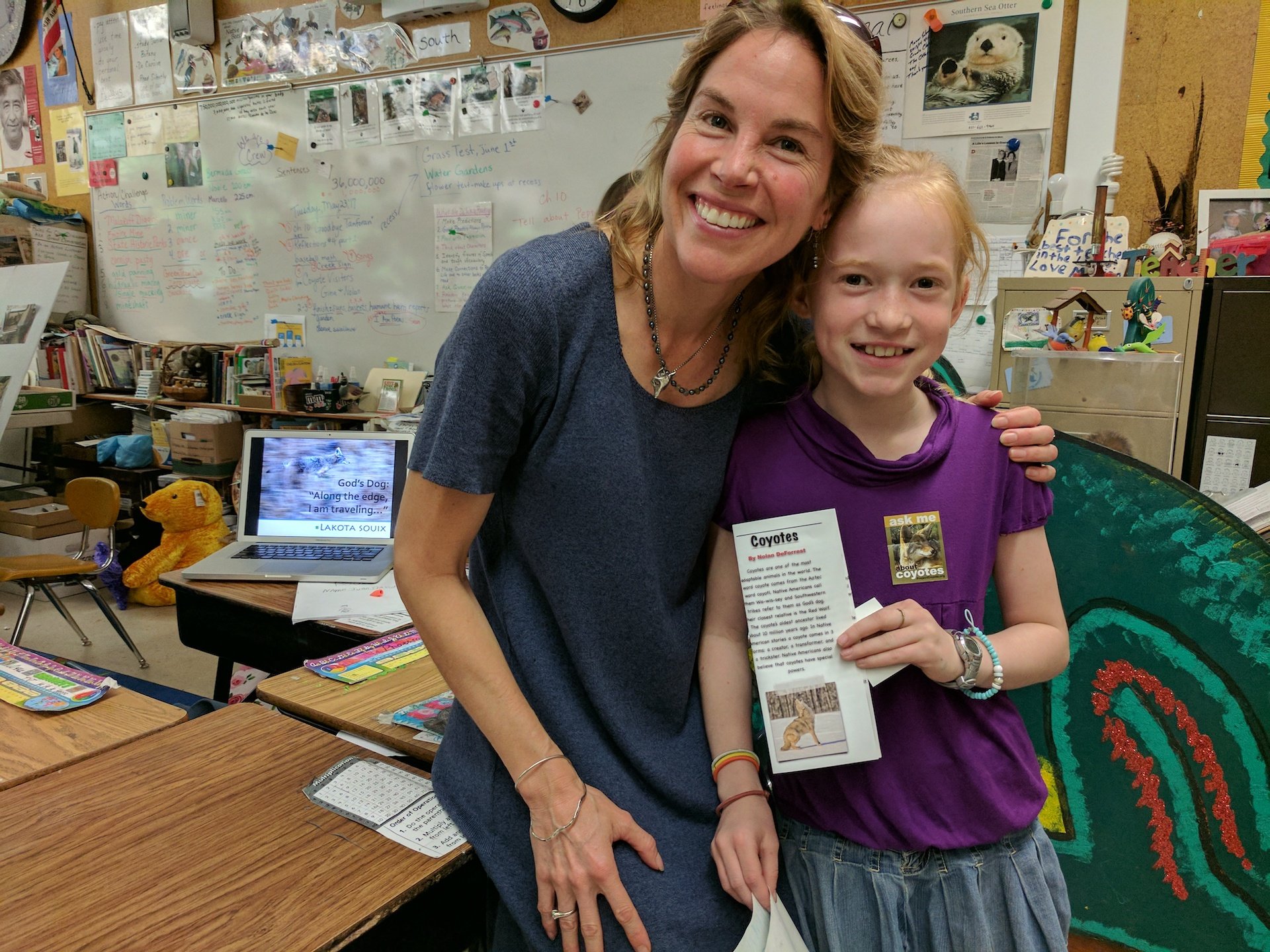
To assist Project Coyote in their work protecting wild carnivores, the SFF helped fund the production of two short films.
Read More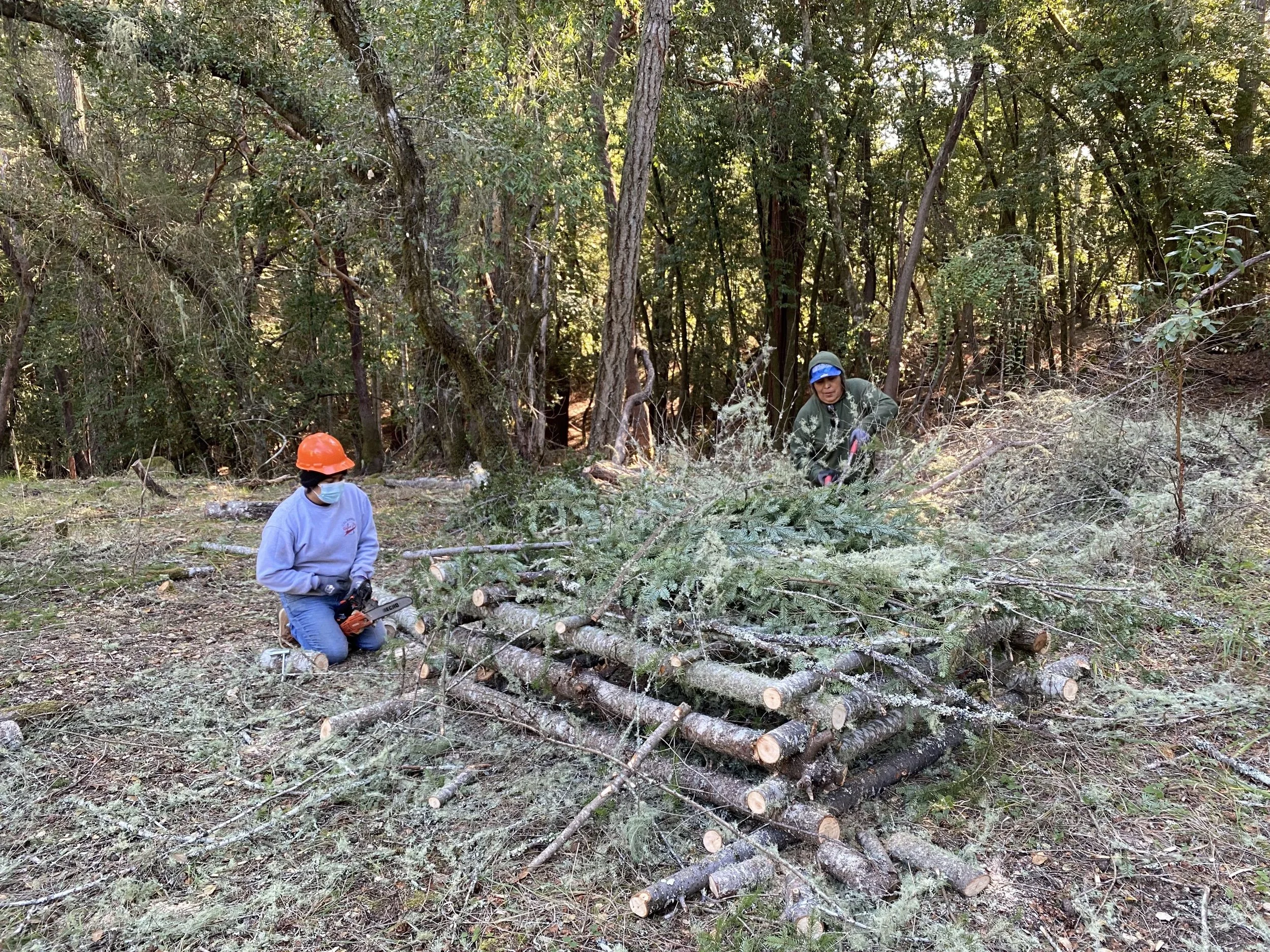
Occidental Arts and Ecology is a non-profit organization working to develop sustainable and inclusive landuse practices. The SFF supported the OAEC in efforts to create and enhance wildlife habitat through invasive plant removal and habitat enhancements.
Read More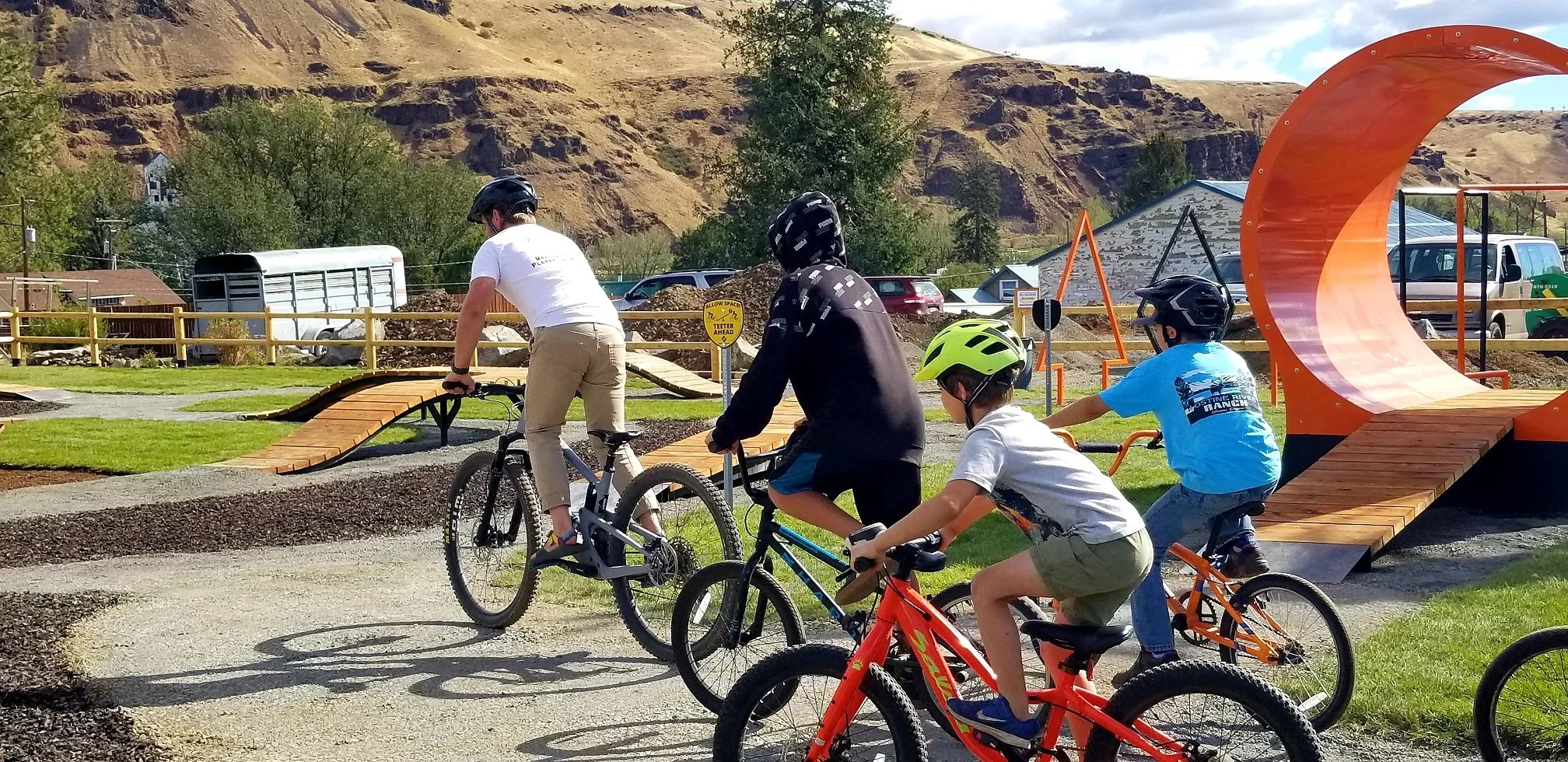
Building Healthy Families, a family support organization serving Eastern Oregon, spearheaded an effort to construct a bicycle park features rollers, tunnels, pump tracks, rock gardens and a wide number of areas for kids to ride bikes, scooters, skateboards and rollerblades. Funds provided by the Schwemm Family Foundation were used for the purchase of several features in the playground, including bike teeter totters and a snake tunnel, which help to make the park a unique green space for the children of Wallowa County to enjoy.
Read More
The Farm to School program partners with local schools in the greater Los Angeles area to build farm labs and outdoor learning gardens for students to have access to project-based outdoor learning opportunities. Funds provided by the Schwemm Family Foundation went to refurbish the culinary learning garden at Arroyo High School, supporting the AHS students taking part in this program to learn to grow their own organic food, and to cultivate and experience the setting of urban green spaces at their school.
Read More
The Foundation’s funding helped the Museum of Ventura County research, create and disseminate a scholarly journal, titled Bootleggers, Rumrunners, and Blind-Piggers: Prohibition in Ventura County. The Journal tells the story of the impact of Prohibition on Ventura County residents. The journal complemented the Museum’s major history exhibit All That Glitters is not Gold, which grew out of the same historical research into the county’s history during the 1920’s.
Read More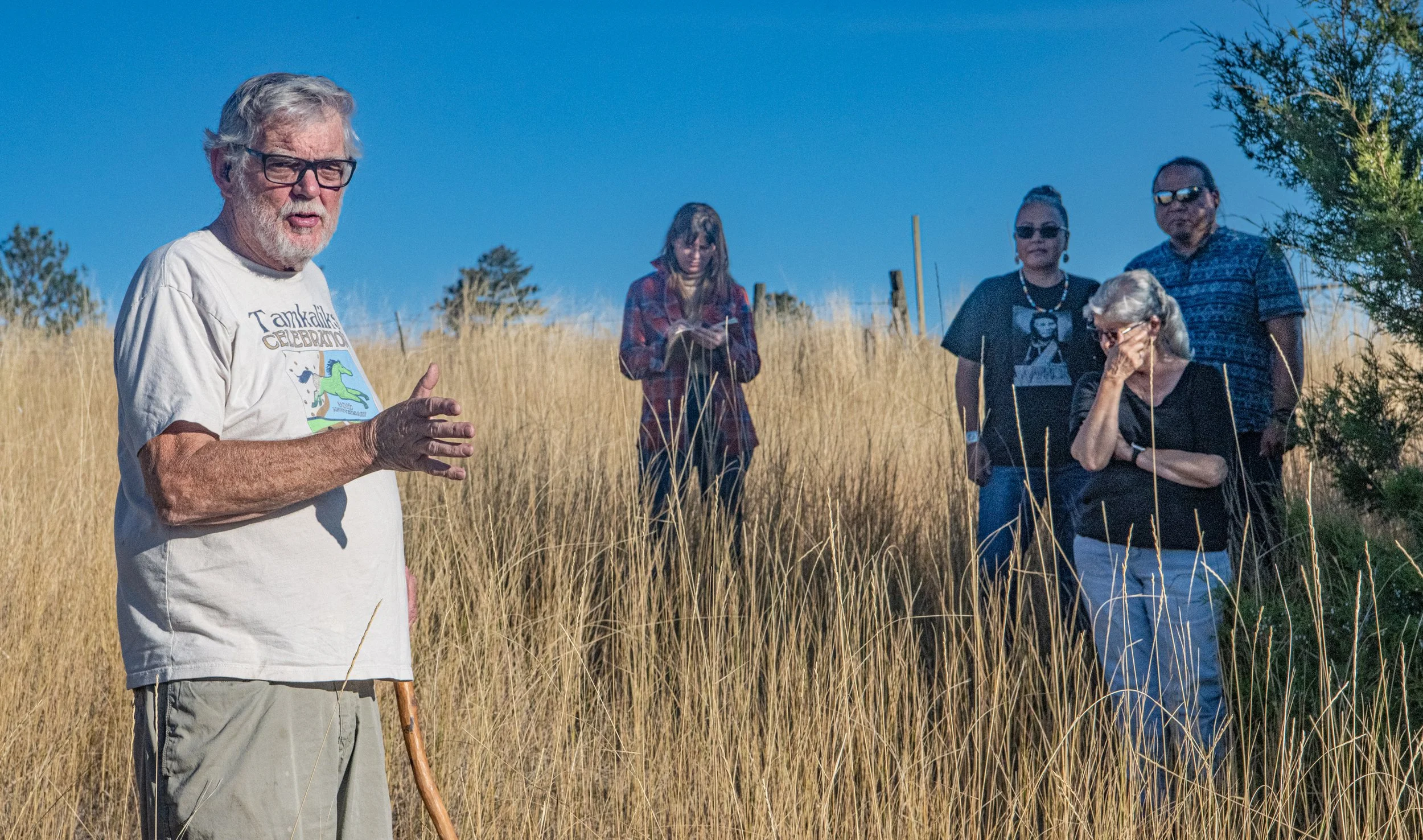
The Josephy Center teamed with the Wallowa History Center and Nez Perce elders from three reservations, to document and explore the places and occasions of first meetings of white settlers and the Nez Perce Indians—often in the Oregon Wallowa Country. Local historians and tribal elders, met to examine the “Confluence” of two rivers where Whites and Indians met first met.
Read More
The High Desert Museum and Oregon Black Pioneers successfully collaborated to develop fourth grade classroom resources that center Black experiences on the Oregon Trail and Black exclusion in Oregon.
Read More