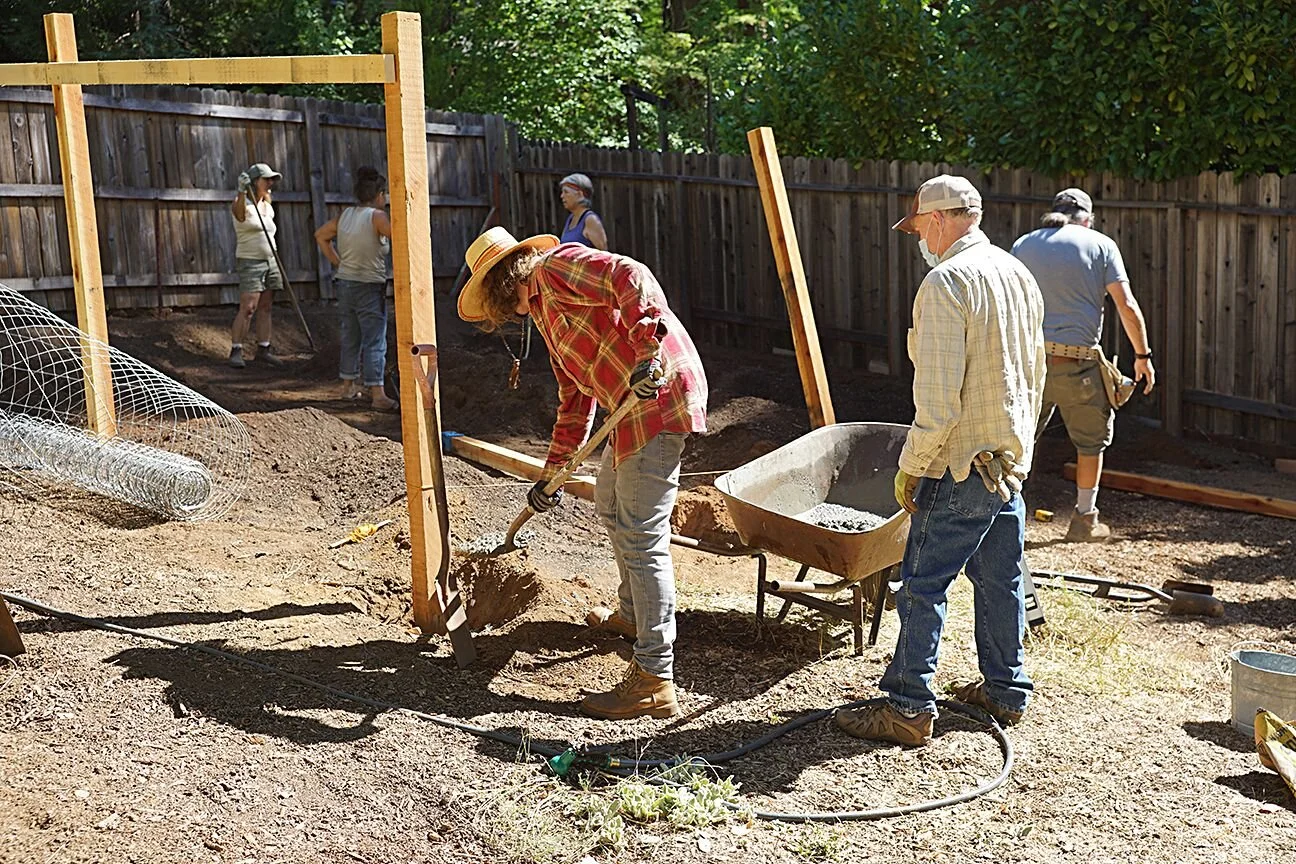
Sierra Harvest works to build small, local gardens at public facilities and to train residents to tend the gardens and ultimately produce healthy meals. The SFF supported this effort by providing funding that allowed the construction of 14 gardens and the organization of gardening, composting, and cooking classes
Read MorePreserving historic films is critical for the long-term protection of historical documentation. The SFF supported the Museum of Ventura County in their efforts to digitize the film archive of Herman Keene, a Ventura County landowner who documented backcountry life and in particular the abundant wildlife resources present in the early part of the last century. These films are now available to the public on the museum website.
Read MoreThe Takelma people lived in the Rogue Valley of southern Oregon when they were met by Euroamericans in the mid-1850s and mostly sent to reservations. The SFF helped fund the production of a beautifully-illustrated book entitled “Upriver to Morning”, written by Tish McFadden and based on the teachings of Takelma elder Agnes Baker Pilgrim. The project also included an audiobook, songs, and curriculum content.
Read MoreThe Farallones Islands are located off the coast of San Francisco, and the Greater Farallones Association focuses on conservation of the islands as well as the coast of California in the Bay Area region. SFF supported an ongoing citizen science program called Beach Watch that trains volunteers to collect data on beach impacts throughout the year. SFF supported the Beach Watch effort by providing funds for volunteer trainings on marine mammal, bird, and invertebrate identification and documentation.
Read MoreGardeneers is a Chicago-based organization working to increase healthy food availability to underserved neighborhoods while also teaching students long-term habits for growing and eating good foods. The SFF supported Gardeneeers in their efforts to grow and distribute fresh produce to several communities, particularly during the pandemic.
Read MoreFort Umpqua, near Elkton, Oregon, was the southernmost site established by the Hudson’s Bay Company around 1832. The current buildings are replicas constructed by volunteers from original designs, and volunteers provide many tours and participate in living history demonstrations. The SFF has partnered with the Elkton Community Education Center to create new signs and develop additional walking path and interpretive materials.
Read MoreCoastal Roots Farm, based in San Diego, works to distribute organic food to populations in the city that are food-insecure. The SFF contributed to this organization’s Organic Food Distribution Program to provide supplies and personnel that supported no-cost food deliveries to senior Native Americans in San Diego and on the Santa Ysabel Reservation in association with the San Diego American Indian Health Center.
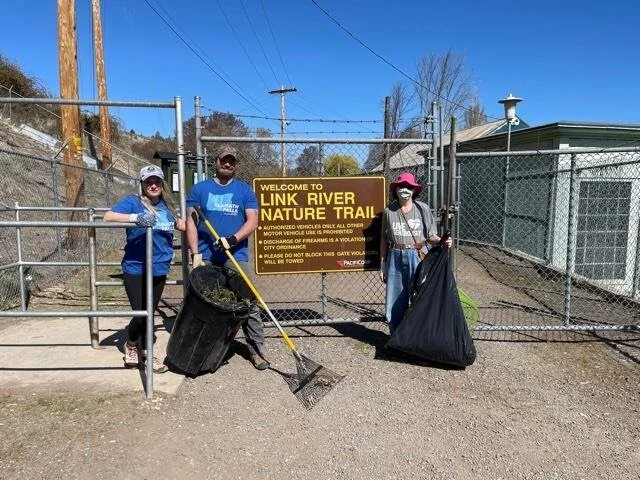
Read MoreHealthy Klamath is a coalition of organizations working together to support a wholistic approach to community health in and around Klamath Falls, Oregon. The Blue Zones initiative included a project to increase signage that directs people to local trails and walkways, and the SFF contributed to this effort. Data collected as part of the initiative indicate that signs and trail maintenance are particularly important tools for increasing citizen trail use and improving overall community well-being.
Read MoreThe California Native Plant Society (CNPS) has developed a program called Re-Oak California. This effort focuses on reintroducing oak trees to areas where they have been lost and specifically to areas where fire has destroyed oak habitats. Volunteers collect acorns which are then grown to seedling size then transported and planted at appropriate sites throughout the state. The SFF supported this project which in 2020 grew 2,500 seedlings and distributed nearly 1,700 of those for planting by volunteers.
Read MoreWestern pond turtles are native to much of the Pacific coast region but have become more rare as wetlands are lost to development and climate change. Willow-Witt Ranch has enhanced and protected a wetland that supports one of the highest elevation breeding populations of these turtles. The SFF funded a project to improve the conditions of the turtles’ habitat by constructing basking platforms, removing non-native plants, and creating a blind so that researchers could observe turtle behavior without disturbance.
Read MoreThe French Prairie region of central Oregon includes a rich history of Native American, Canadian, and European experiences. The SFF funded the St. Paul Mission Historical Society to develop a digital collection of writings, photographs, and other records of family histories in the region during the 1800s. This project digitally preserved these items, and the collection is now available for public search on the SPMHS website.
Read MoreLord & Schryver Conservancy undertook a project documenting the incredible careers of landscape architects Elizabeth Lord and Edith Schryver. These landscape architects worked in Oregon from 1929 - 1969 and designed over 200 gardens throughout the region. With help from the Schwemm Family Foundation, the Conservancy created a digital map (link) where visitors can explore the designs, locations, and rich history behind their gardens.
Read MoreThe Schwemm Family Foundation was proud to support Urban Rivers’s project to create a floating ecosystem along the Chicago river. Urban Rivers piloted their concept of installing floating trees by first testing different species of native trees and protecting them from beavers. This pilot program was successful and organization looks ahead to expanding and planting more floating trees.
Read MoreACCESS has been dedicated to helping residents of Jackson County Oregon break the cycle of poverty since 1976. Through their Food Share Gardens, Access volunteers grow and harvest an abundance of food that is distributed locally. In an effort to extend the growing season and propagate their own starts, Access has built two new greenhouses at their Central Point garden location. Schwemm Family Foundation funds have helped with this effort, which will ultimately result in an increase in fresh, nutritious food being provided to local low-income community members.
Read MoreFriends of Historic Butteville (FOHB) is an organization dedicated to the preservation, documentation, and presentation of the history of this town, which sits alongside the Willamette River in northern Oregon. Butteville was once a major loading point for agriculture being shipped into Portland, and today, one of FOHB’s main projects is to restore the historic Butteville Landing so that the general public will once again have access to this portion of the river. A grant from the Schwemm Family Foundation has helped support this work, which will provide visitors with areas to picnic, learn about the history and Butteville, and dock their kayak or small boat along the Willamette River, all at no charge.
Read MoreThe Wolf Creek Community Alliance works to protect the natural and cultural history of the Wolf Creek Watershed in the Sierra Nevada Mountains. For this project the Schwemm Family Foundation supported the design and construction of two interpretive panels that were placed along a public stretch of the creek. The signs describe the geography of the watershed as well as the history of the Nisenan tribe, whose ancestors occupied the region for thousands of years prior to the Gold Rush era. Displaying signage at this well-traveled location will help more people understand the history and culture of the watershed.
Read More