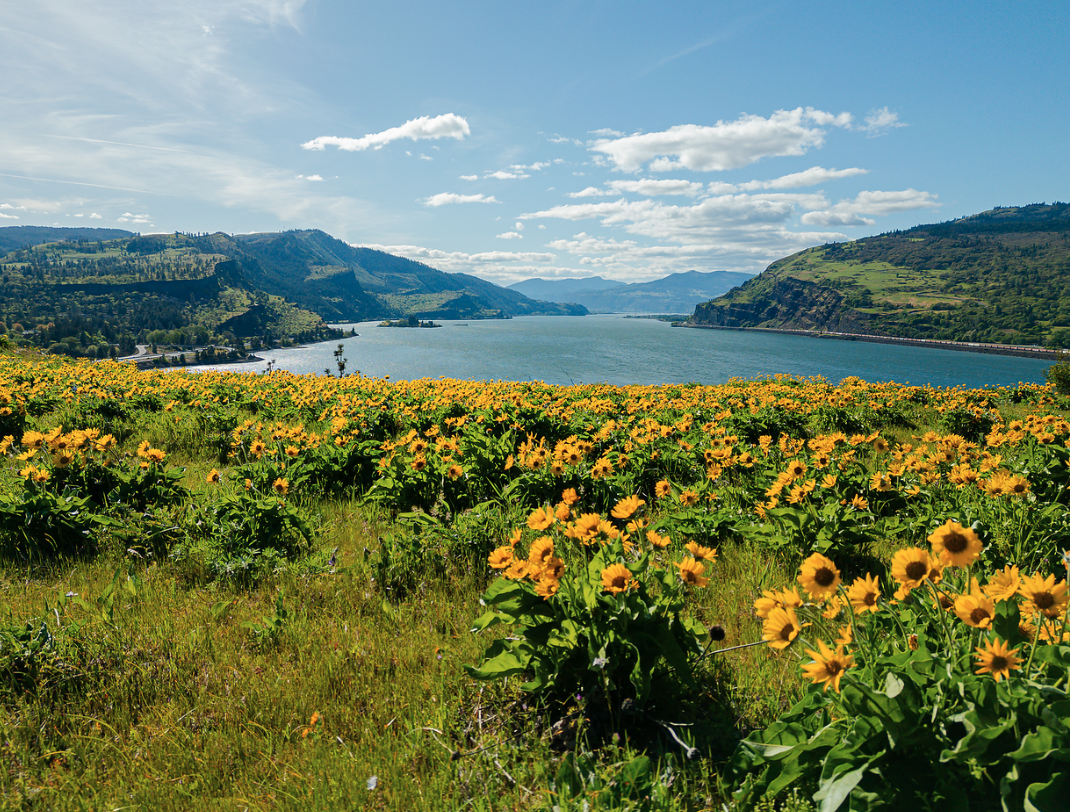
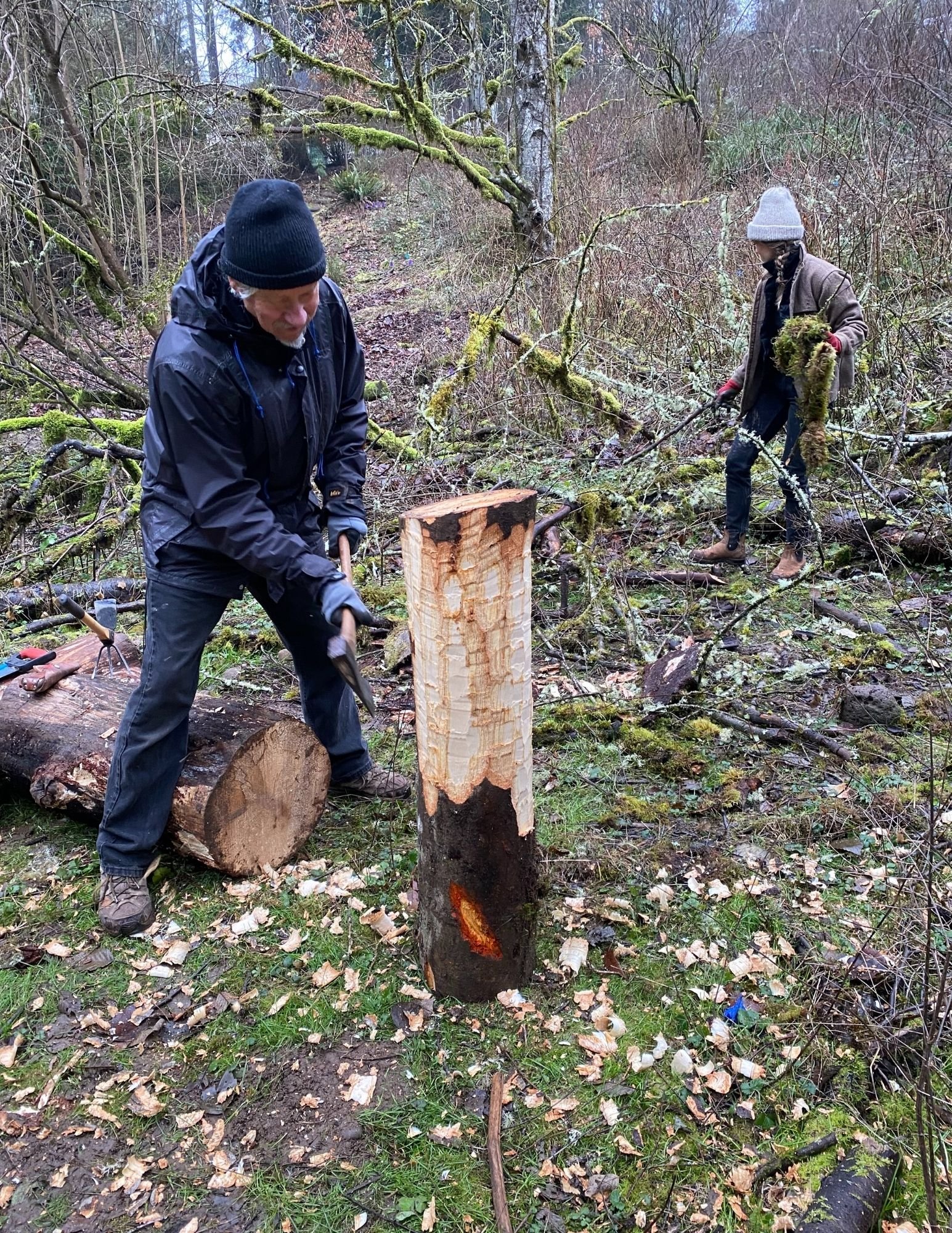
This Friends group has been working for over 40 years to gain permanent protection for sensitive lands within the scenic area of the Columbia River Gorge in Northern Oregon. With help from the SFF, they have continued their efforts to remove some of the top 10 most invasive weeds in the gorge while planting a variety of native grasses, wildflowers, shrubs, and tress.
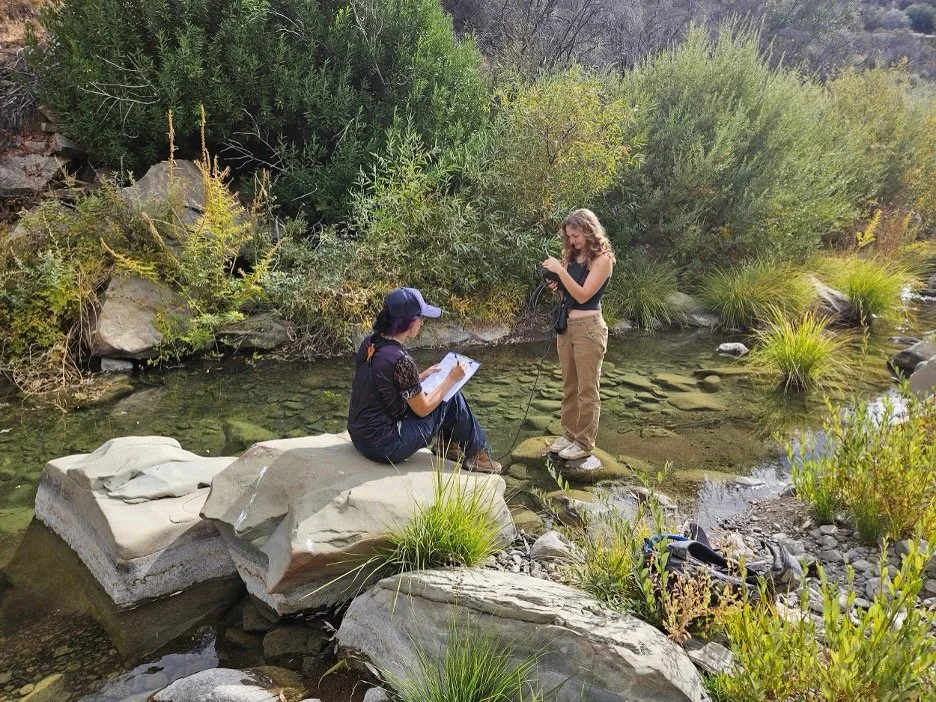
Read MoreWishtoyo works to preserve the Native American Chumash culture of Southern California and reconnect people to the Earth in the way of the ancestors. The Schwemm Foundation has funded two years of a project that trains students, many from underrepresented populations, in methods of ecosystem sampling techniques and advocacy within the Santa Clara watershed. The collected data are used for monitoring and conservation purposes, and for this project SFF provided funds to purchase needed sampling and monitoring equipment for water quality and ecosystem monitoring.
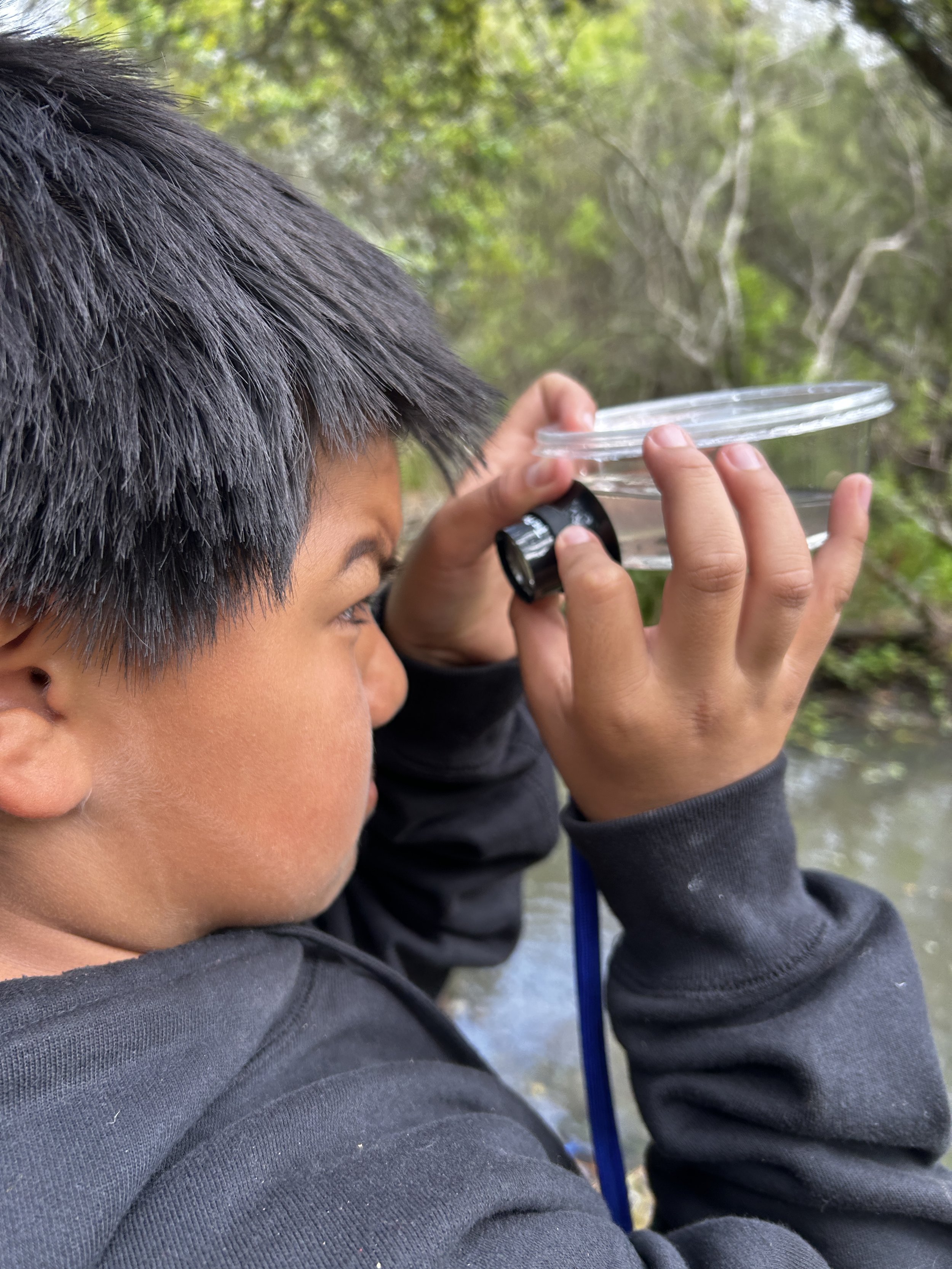
Read MoreElkhorn Slough is a significant wetland ecosystem on the coast of Central California. The historic water flow of the Salinas River and multiple tributaries has been greatly altered by agriculture and development. Significant preservation efforts have resulted in either full protection of wetland habitats or cooperative management agriculture and conservation. The SFF partnered with the Elkhorn Slough Foundation to help restore a portion of the slough by removing non-native eucalyptus trees which take up important freshwater resources. The site is also utilized for a vibrant student program that comprises college students as mentors and teachers for elementary students, many of whom are from agricultural working families.
Read MoreFunding from the Schwemm Family Foundation supported the final phase of restoration on the first two acres of the Back 5 property, which is slated to open to the public in spring 2026. Grant funds advanced invasive plant removal, native plantings, ecological monitoring, and trail planning to prepare the site for long-term public access and stewardship. Volunteers and students played a key role in restoration efforts, planting 470 native species, conducting BioBlitz surveys that documented more than 130 species, and supporting ongoing habitat monitoring. Partnerships with local organizations and schools expanded educational programming and field-based learning, with 11 field trips serving 334 students in spring 2025 alone. By restoring habitat while building pathways, signage, and educational materials for the future public trail, the project is creating a vibrant, accessible outdoor space that will support community engagement, ecological resilience, and environmental learning for years to come.
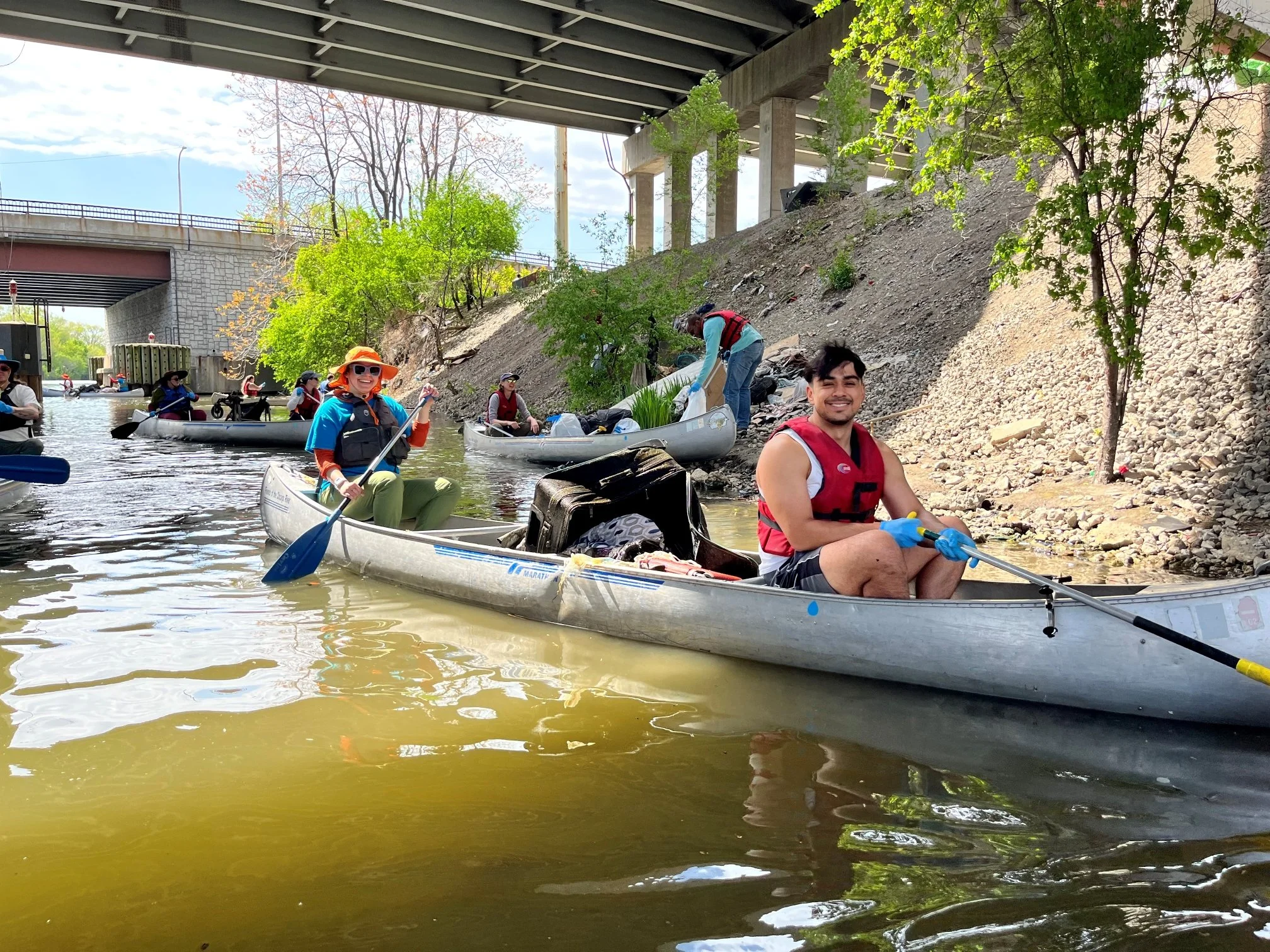
Read MoreFunding from the Schwemm Family Foundation supported Friends’ River Volunteer Stewardship Program (RVSP) in protecting and restoring the Chicago-Calumet River system through hands-on community engagement. The grant helped expand restoration workdays, instream planting events, and public paddles across the 156-mile watershed, while supplying materials for canoe-based cleanup and habitat activities led by 71 volunteer guides. In 2025, Chicago River Day welcomed a record 2,800 volunteers at 92 locations, with participants removing litter, mulching trails, pulling invasive species, and collecting an estimated 15 tons of trash. Volunteers also installed 1,572 native plants along riverbanks to improve habitat and resilience. By introducing thousands of new stewards to the river and deepening place-based conservation efforts, RVSP continues to build a more biodiverse, climate-resilient river system for the Chicago region.
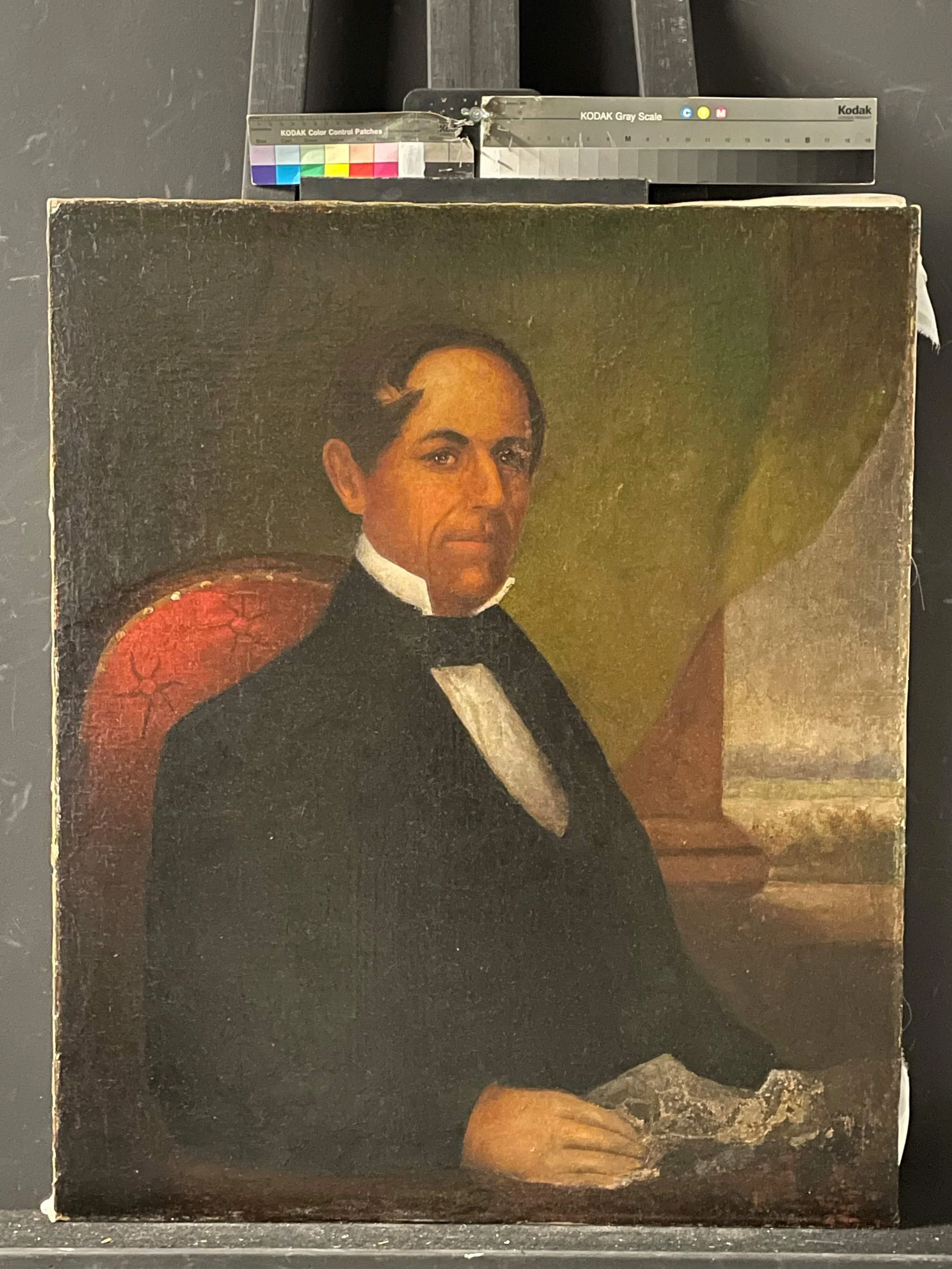
Read MoreFunding from the Schwemm Family Foundation supported the preservation and restoration of two rare 1864 oil paintings by Solomon Carvalho, among the oldest surviving works of their kind in California. Displayed for more than a century, the paintings had sustained significant flood, fire, and preservation-related damage and were in critical condition. The museum engaged Fine Arts Conservation Laboratories, Inc. to complete a full restoration, addressing structural damage and restoring original color and detail. The conserved works now reveal previously obscured textures and imagery, preserving an important visual record of early California history. With more than 10,000 annual visitors—including 5,000 schoolchildren—the restored paintings will continue to serve as a vital educational and cultural resource for generations to come.
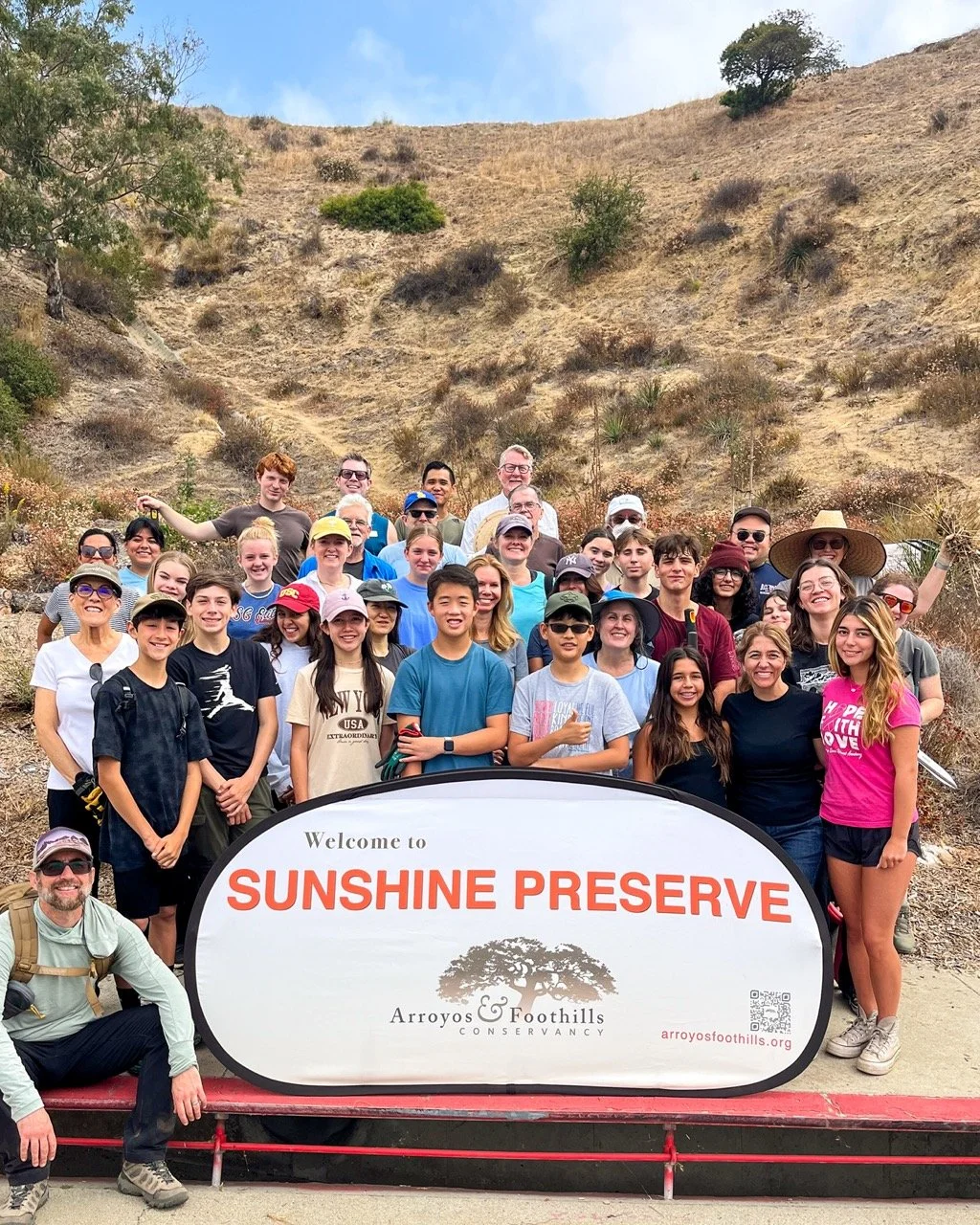
Read MoreFunding from the Schwemm Family Foundation supported habitat restoration at Sunshine Preserve through the removal of highly flammable, non-native trees such as eucalyptus and paperbark, which inhibit native plant growth and provide limited habitat value in Southern California. Professional crews removed seven invasive trees, and much of the material was repurposed onsite for trail lining, seating, and wildlife habitat. Friends of Sunshine Preserve also led monthly volunteer restoration events, engaging 10–40 community members at a time in removing invasive plants and planting native species. Grant funds provided essential tools and supplies that expanded volunteer capacity and strengthened ongoing stewardship efforts, helping restore a more resilient, diverse habitat that supports local wildlife.
Read MoreThe San Diego River Park Foundation's mission is to conserve the natural and cultural legacy of the San Diego River through the creation and stewardship of parks, trails, education centers, and open spaces along its 52-mile pathway. Funding from the Schwemm Family Foundation was used to complete restoration of the Lillian Hill Preserve by supporting staff time for volunteer event coordination along with the acquisition of materials necessary to remove remaining debris. Schwemm Family Foundation funding also enabled the organization to comprehensively catalogue, and plan for the future removal of, additional hazardous materials.
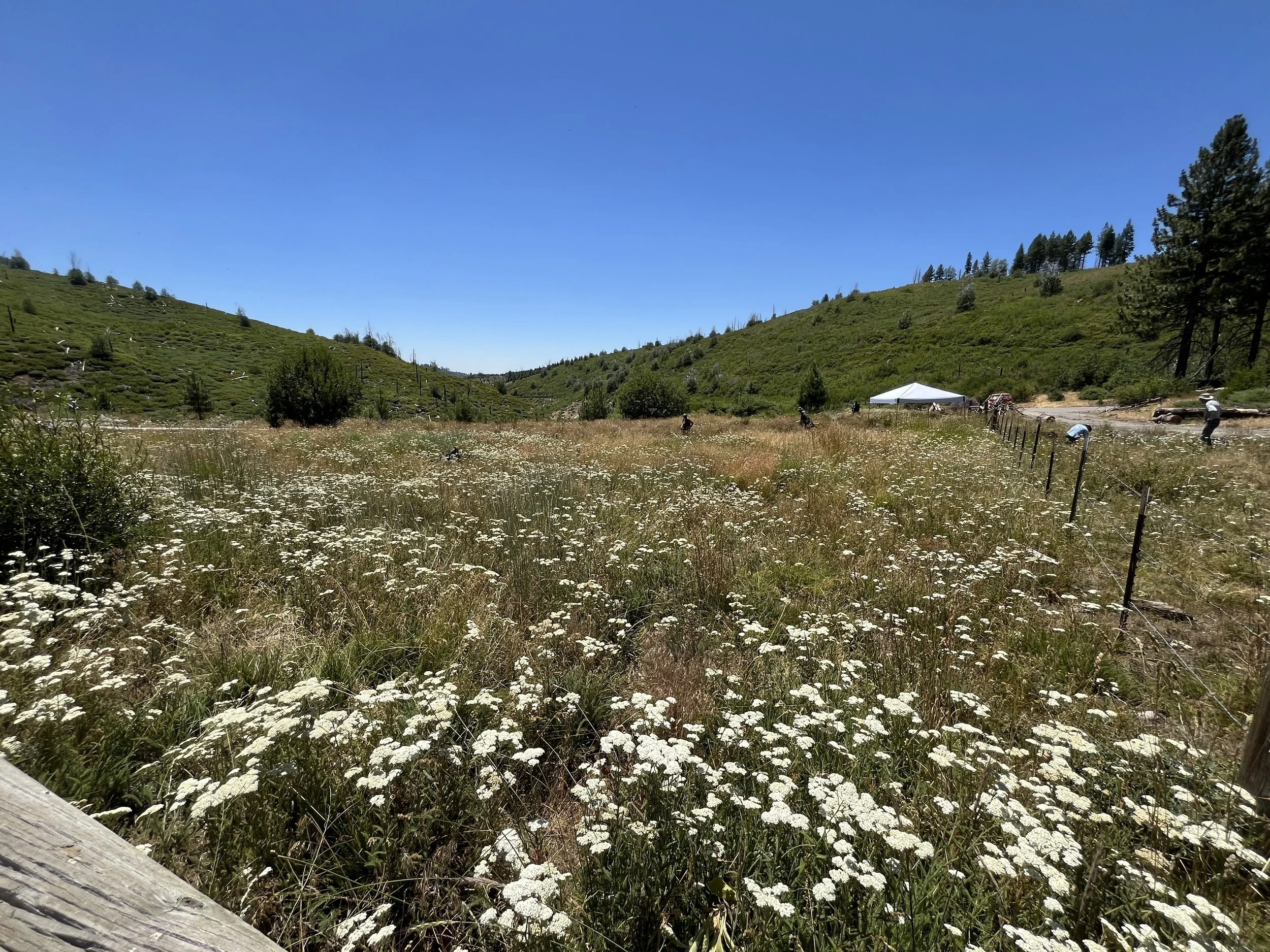
Read MoreThe Central Sierra Environmental Resource Center works to defend water, wildlife and wild places across the Northern Yosemite region. Funds provided by the Schwemm Family Foundation were used to restore the highly degraded Quail Meadow habitat by erecting a fence to exclude cattle from entering the meadow and removing a huge number of invasive weeds that were outcompeting native plants.
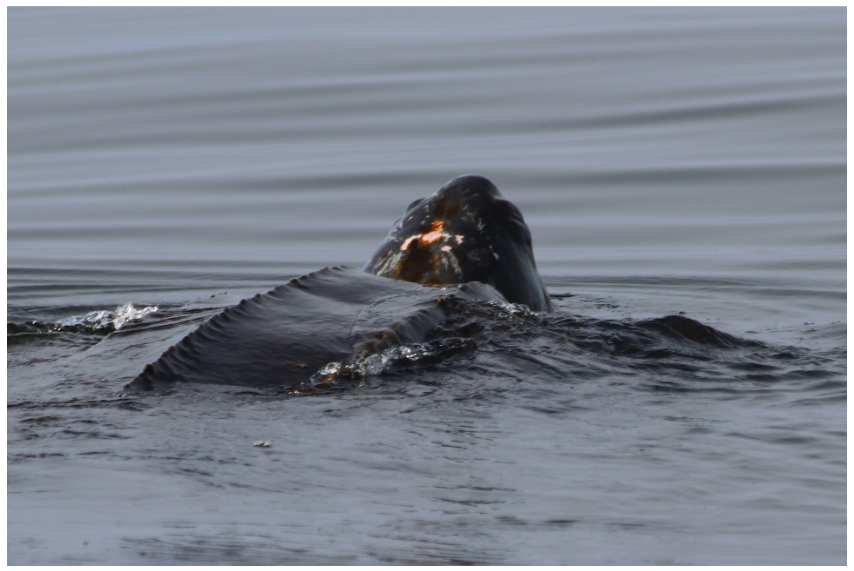
Read MoreThe Foundation’s funding helped Upwell Turtles provide critical information about the distribution, abundance, and migratory movements of leatherbacks. The goal is to identify areas of leatherback concentration and document the timing of leatherback arrival and departure off the US West Coast, in support of leatherback entanglement risk assessments due to west coast fisheries.
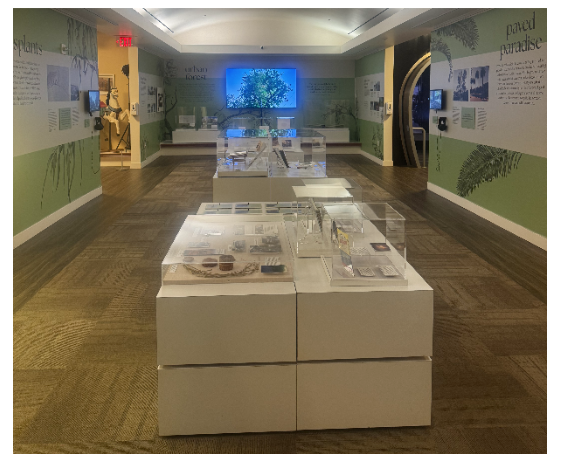
Read MoreThe Foundation supported the launch of “Roots and Branches: A Tree’s View of Santa Monica,” an exhibition commemorating the Santa Monica’s 150th anniversary. The display delved into the intricate relationships between trees, urban development, and Santa Monica’s cultural and environmental history, highlighting how nature and humanity have coexisted—and occasionally conflicted—over the centuries.
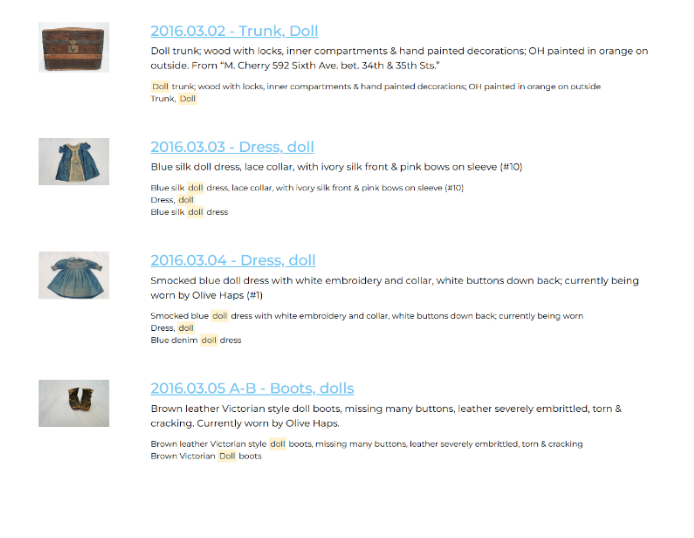
Read MoreThis project supported the La Jolla Historical Society’s initiative to strengthen collections stewardship through the comprehensive cataloging and digitization of over 170 3D objects and paintings. The work involved researching, cataloging, photographing, condition-reporting, and making the objects accessible to the public, via their website.
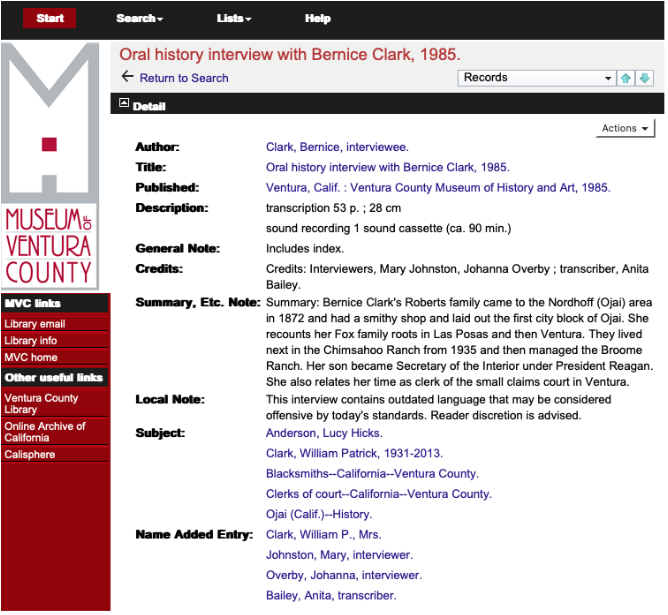
Read MoreThis project funded the digitization of nearly 400 oral histories which the museum had started collecting during the 1950’s. They tell the story of Ventura County from the late 1800’s through the present. The transcribed histories are summarized and searchable by keyword and freely accessed via their website. Important topics include the development of medicine in the county, the St Francis Dam disaster of 1928, the evolution of agriculture, the experiences of minority residents, and the history of the petroleum industry.
Read More